SERVICES
Decarbonisation & Renewables


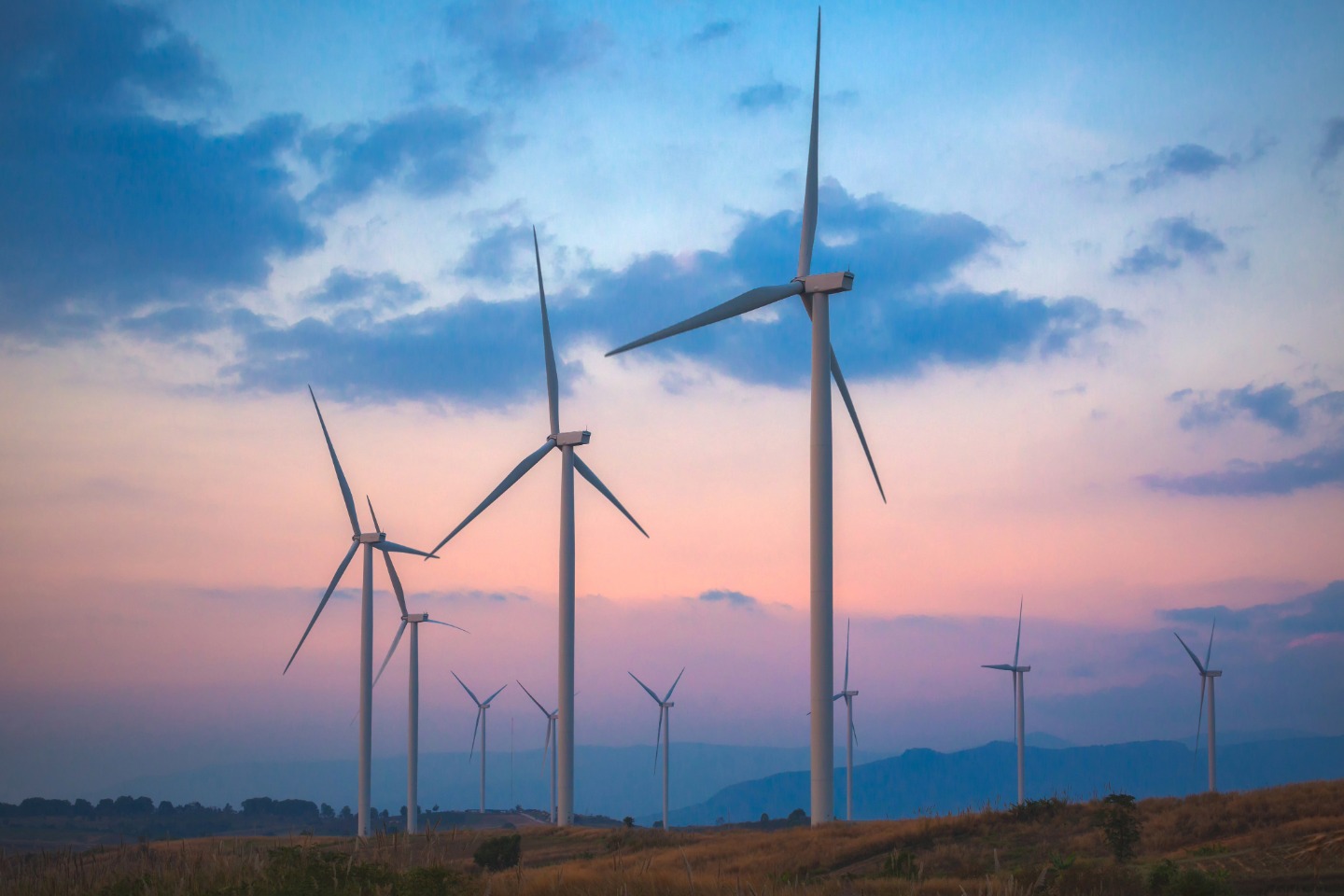
We deliver tailor-made solutions to address complex challenges in decarbonization and renewable energy, focusing on efficiency, safety, and innovation.
We bridge engineering expertise with sustainability intelligence turning Net-Zero ambition into operational reality.
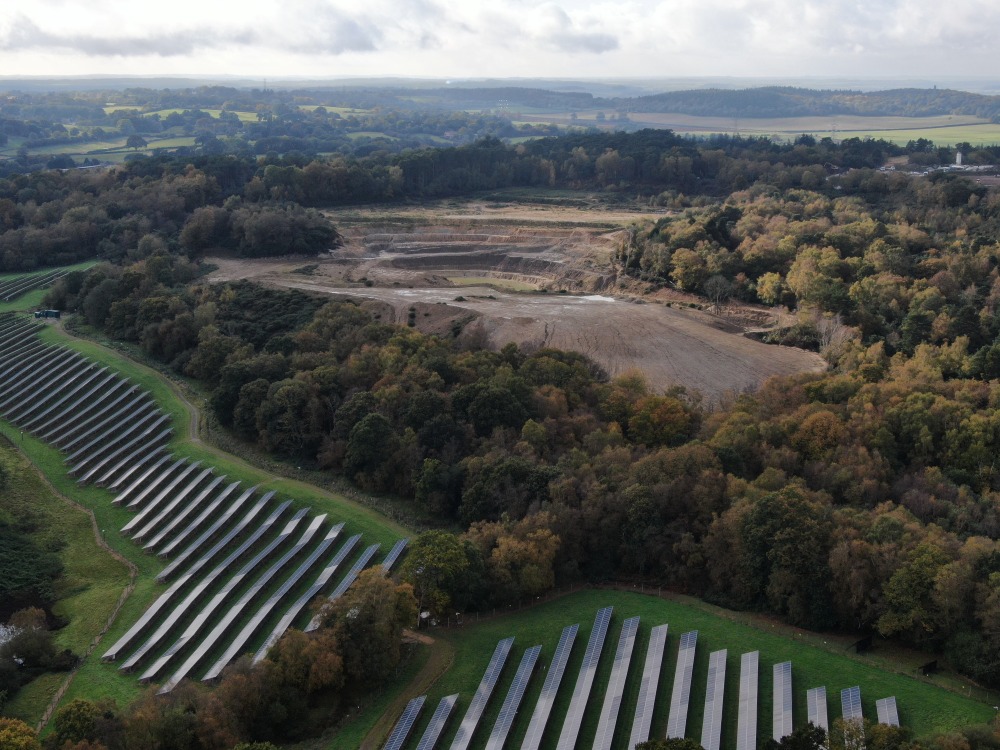
From carbon footprint baseline to commissioning of renewable assets, we cover the full decarbonization cycle, with the same project management discipline we apply to oil and gas or mining engagements.
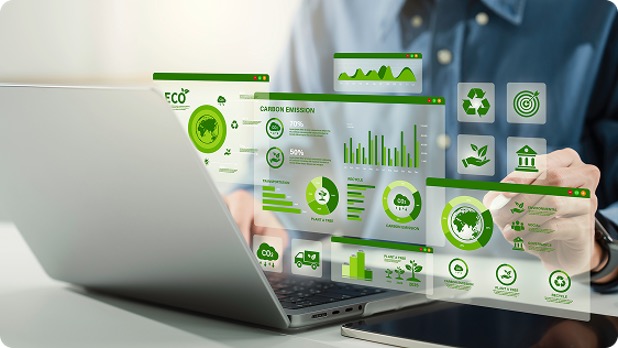
Carbon footprint, water footprint, life cycle analysis
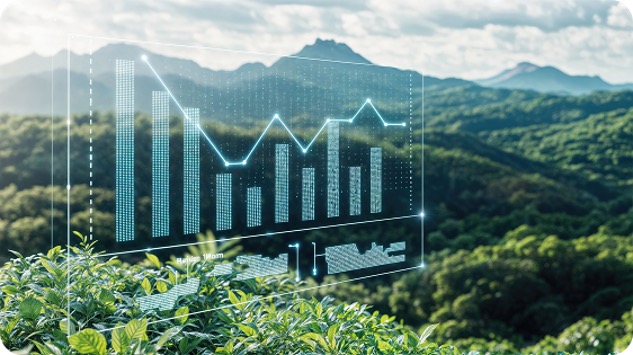
Most profitable and effective technologies
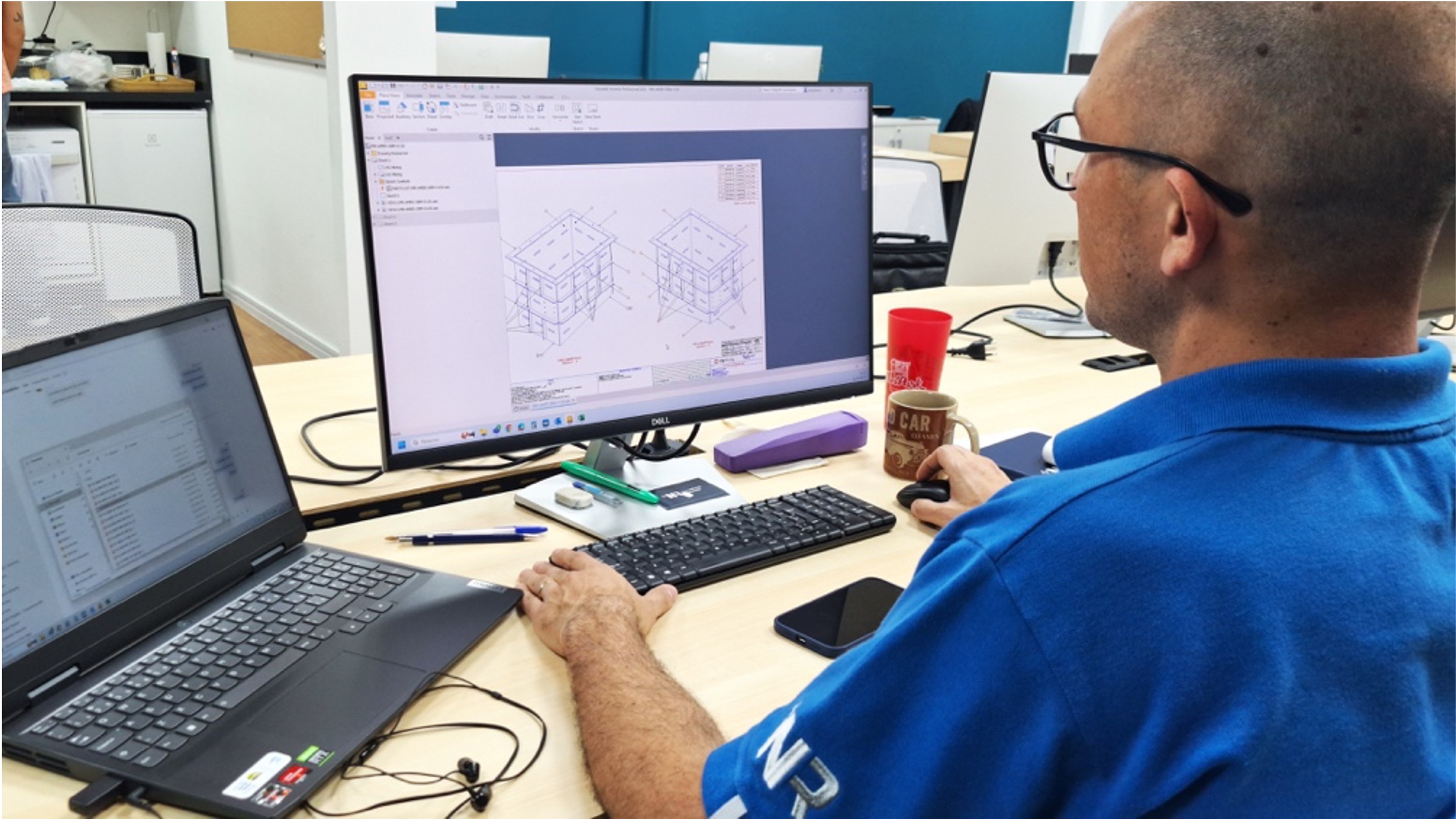
Conceptual & detailed engineering
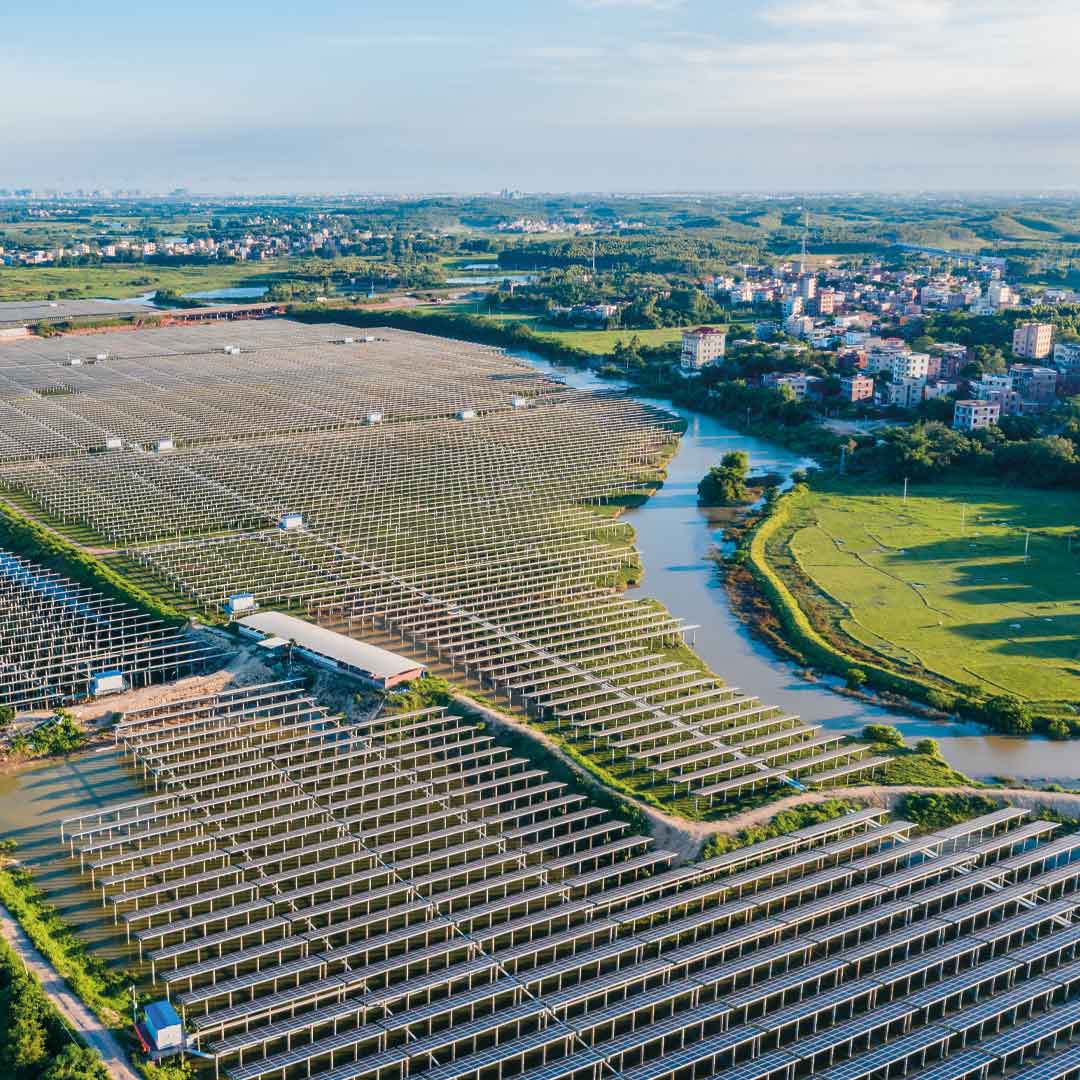
EPC construction, commissioning, maintenance
How +NR approaches decisions on real decarbonization and renewable energy projects: baseline, roadmap, technology selection and execution.
We start with a carbon footprint baseline aligned to IPCC and GHG Protocol standards, scope 1 and 2 first, then scope 3 where relevant. The baseline is structured as an INCOSE requirements baseline: without it, every subsequent design decision is guessing. The baseline is what makes the decarbonization roadmap measurable, traceable, and accountable through standard verification methods.
Yes, but with a caveat. We avoid endless assessment phases. A useful baseline takes 4 to 8 weeks, structured as an INCOSE concept-of-operations exercise. The roadmap follows in another 4 to 6 weeks with PMBOK-style WBS for execution. From there, we move to execution on the highest-impact items first through value engineering, while continuing to refine the rest. Reports do not reduce emissions; engineering does.
Green hydrogen is the right answer for hard-to-electrify processes: high-temperature industrial heat, ammonia and methanol production, long-haul transport. The decision is made through INCOSE trade study methodology, comparing alternatives including direct electrification, biomass and carbon capture against operational constraints. For most other use cases, direct electrification with renewable power is more efficient. We assess each application against the alternatives before recommending hydrogen.
We work from the actual load profile through INCOSE-style requirements analysis, not nameplate consumption. That means hourly or even sub-hourly data across a full year, including seasonal variations and process upsets. From there we size solar, wind and storage against grid tariffs and curtailment risk using trade studies. Undersized systems strand investment; oversized ones never pay back. The decision is engineered, not estimated.
We provide the engineering substance that makes ESG claims defensible. That includes baseline calculations to IPCC and GHG Protocol standards (executed within our ISO 9001:2015 quality system), scenario modeling for transition risk through INCOSE trade studies, and technical due diligence for green bonds and sustainability-linked loans. We do not write the financial structures, but we provide the engineering evidence that supports them.
Carbon assessments: 4 to 8 weeks. Net-Zero roadmaps: 8 to 16 weeks. Renewable system design and EPCM: 12 to 30 months depending on size and complexity, governed by PMBOK with INCOSE-structured V-Model verification. We adapt the engagement to the client's reporting cycle and the technology maturity (TRL) of the chosen path.
We use INCOSE Systems Engineering as the design discipline (requirements baseline tied to GHG Protocol, V-Model verification, trade studies for technology selection) and PMBOK as the project management discipline (WBS, performance baselines, change control). Continuous improvement is governed through CMMI and ISO 9001:2015. The combination is what we call the +NR methodology, described in detail on our methodology page, and it is applied identically to carbon baseline assessments, Net-Zero roadmaps, green hydrogen and wind power EPCM engagements.